Subscribe to the CT4F Newsletter to stay informed!
Warren Throckmorton
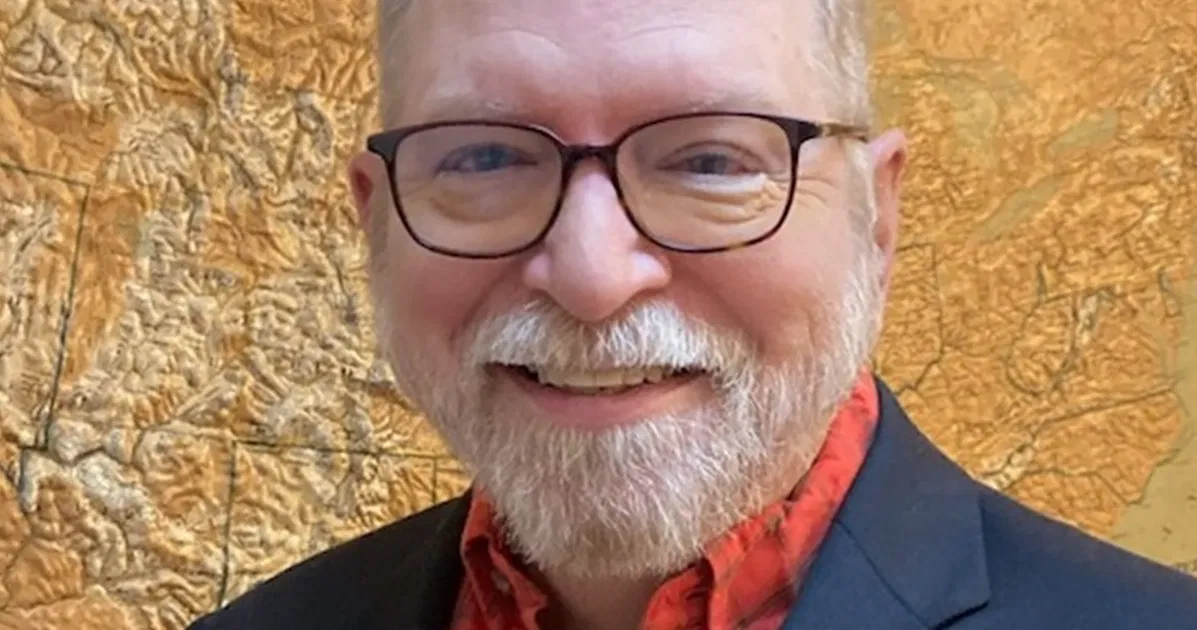
Warren Throckmorton spent more than a decade as one of the most credible, well-credentialed voices in the country, telling parents that their gay and transgender children could change. He was a professor of psychology at an evangelical Christian college. He believed it. He said so publicly, repeatedly, and with authority.
Then he looked more carefully at the evidence…and changed his mind.
His journey from prominent advocate to outspoken critic of "conversion therapy" is one of the most important stories in this debate. Not because it's a dramatic reversal, but because of what it reveals: that even the smartest, most well-intentioned people can be sold a lie. And when the person telling you that lie has a PhD and a podium at a Christian university, it can be very hard to see it for what it is.
Snapshot of This True Story:
Warren Throckmorton is a retired professor of psychology at Grove City College in Grove City, Pennsylvania, a small, conservative Christian college. He holds a Ph.D. in counselor education from Ohio University.
In the 1990s and early 2000s, Throckmorton became one of the most influential evangelical voices promoting the idea that gay people could and should try to change their sexual orientation.
He co-created the Sexual Identity Therapy Framework and was involved in producing a documentary called I Do Exist, materials explicitly designed to guide people, including minors, toward "reorientation."
Over time, as evidence accumulated and the testimonies of harmed individuals became impossible to ignore, Throckmorton publicly repudiated the practice he had championed.
He has spent years since then speaking out about what he got wrong, and what the harms of these approaches actually look like from the inside of the profession that promoted them.
Warren Throckmorton didn't come to conversion therapy from the fringes. He came from exactly the kind of background that makes a person seem trustworthy to parents in the evangelical Christian community: a devout faith, a clinical education, and a commitment to taking both the Bible and the science seriously.
"I supported the therapy because, at the time, I did not understand sexual orientation very much," Throckmorton has said. "I thought people could really change."
That belief wasn't born from malice. It was born from a specific cultural moment; one that many parents today are still living inside of. The major psychological organizations hadn't yet issued the sweeping condemnations of these practices that they would later publish. There was still a lively debate, at least within certain corners of clinical and faith communities, about whether sexual orientation was changeable. And for Christian parents who desperately wanted their children to be "okay" by the standards of their faith communities, people like Throckmorton felt like a lifeline.
According to LGBTQ Nation, Throckmorton was presented with evidence disputing the efficacy of these practices and changed his mind. Then he said so publicly. He became one of the practice's most vocal critics.
That matters. Because Throckmorton didn't just quietly stop supporting conversion therapy. He started explaining, in clinical and personal terms, exactly what was wrong with what he had helped promote, and what it was actually doing to the people it claimed to help.
What He Got Wrong And Why It Matters to You
One of the specific approaches Throckmorton came to oppose most forcefully was reparative therapy, a particular brand of conversion practice that blamed a child's same-sex attraction on dysfunction in the family. Specifically, on a distant or inadequate same-sex parent.
"Reparative therapy holds to the idea that the reason people are gay is because of problems with their same-sex parent," Throckmorton explained in his interview with LGBTQ Nation. "If it's a gay man, it would be the assumption that there was a rift or a distance or problem in the bond with the father, and that's what caused it."
The implications of that framework for families are devastating.
If your child is gay or transgender, reparative therapy tells you that you caused it. That the way you parented, the way you connected, or failed to connect, with your child is responsible for who they are. Parents come in terrified and leave with a diagnosis: you failed your child. Now you can fix it.
"Families would blame each other," Throckmorton said, "and it was just an awful mess."
He watched families fracture under the weight of that false framework. He watched parents withdraw from their children on the advice of clinicians who told them that closeness was the problem; that loving their child too openly, too naturally, was actually making things worse. He watched children be told, by trusted adults in therapeutic settings, that their feelings, their identity, their very sense of self was the result of a wound that needed to be healed.
And then he watched it fail to work. Not occasionally. Consistently.
When the Evidence Could No Longer Be Ignored
The turning point for Throckmorton wasn't a single moment. It was an accumulation of patient testimonies, of research results, of watching the "success stories" unravel in real time.
"Patients and also people who had been promoting the therapy in public started admitting that it was ineffective," he said.
The Yahoo News profile of Throckmorton describes a man who found himself caught between the evangelical community he had always been part of and the scientific evidence he could no longer explain away. His own research on men in "mixed-orientation marriages", gay men married to heterosexual women, found that over time, the men's attraction to their wives decreased and their same-sex attraction increased. Conversion hadn't happened. The marriages were straining under the weight of something that hadn't been fixed, only suppressed.
He began moving away from the idea that sexual orientation change was a reasonable therapeutic goal. He developed an alternative framework, one that didn't promise to change who a person was, but instead worked to help them live with integrity, given who they actually were, their real faith, and their real identity, without demanding that one destroy the other.
And critically, he began to speak out about the harm. The real harm. The harm he had, with the best of intentions, contributed to.
What These Practices Actually Do to Families
Throckmorton is clear-eyed about the damage he witnessed. His clinical observations are consistent with what the research now shows definitively: conversion-oriented approaches don't change sexual orientation or gender identity. They change how a young person feels about themselves.
They produce guilt. They produce shame. They produce the particular, devastating kind of depression that comes from being told, over and over again, by people you trust, that who you are is wrong.
And they tear families apart. Sometimes slowly, sometimes catastrophically.
"Torn relationships, disrupted relationships, depression," Throckmorton has described as the real outcomes. "With reparative therapy, families would have such guilt that they caused their child to have this conflict, particularly within religious families where homosexuality was not considered proper. And they would be like, 'Well, we've done something to cause this in our child,' and they would be at each other."
The very thing these practices promise to preserve the family, the faith, the relationship between parent and child, is what they most reliably destroy.
As Wikipedia documents, every major national health organization in the United States has now concluded that there is no scientific demonstration of conversion therapy's efficacy. The American Psychiatric Association, the American Psychological Association, and the American Medical Association have all issued statements opposing the practice and warning of its documented harms.
Throckmorton, a man who once stood on the other side of that scientific consensus, helped demonstrate why that consensus was right.
A Message to Christian Parents From the Inside of the Profession
Warren Throckmorton is not someone who dismissed faith. He taught at a conservative Christian college. He was a practicing evangelical. He understood, from the inside, why Christian parents reach for these practices when their children come out to them.
He also understood, from the inside of the clinical profession, exactly how these practices were being sold and what was actually being delivered.
"I supported the therapy because, at the time, I did not understand sexual orientation very much," he has said. "I thought people could really change."
He no longer believes that. And after years of research, clinical observation, and listening to the people who went through these interventions, not just those who said they helped, but the far larger number who said they were harmed, he doesn't believe any honest clinician should promote them, either.
If you're a parent trying to do right by your child and your faith, Throckmorton's journey is worth sitting with. He was as credentialed, as well-intentioned, and as certain as any practitioner or ministry promoting these approaches today. He thought the evidence was on his side.
It wasn't. And the families who trusted those promises paid the price.
Key Lessons From Warren Throckmorton's Story for Parents
Credentials don't make a harmful practice safe. Throckmorton held a Ph.D. in counseling, taught at an accredited university, and was endorsed by prominent figures in both evangelical and psychological circles. His credentials made his support for these practices seem authoritative. They didn't make those practices effective or safe.
The science eventually caught up, and it was damning. Throckmorton's own research on mixed-orientation marriages found that conversion hadn't happened, same-sex attraction persisted or increased over time. The evidence he helped generate contributed to the scientific consensus that now unanimously opposes these practices.
Reparative therapy blames families for something they didn't cause. The framework Throckmorton came to oppose most specifically tells parents that they caused their child's sexual orientation or gender identity through inadequate parenting. That is both false and cruel. It redirects grief into guilt and turns families against themselves.
What looks like "healing" is often harm, wearing a different label. The approaches that replaced overt conversion therapy, frameworks with names like "sexual identity therapy," "values-aligned counseling," or "exploratory therapy", may use gentler language, but if the goal remains changing who your child is, the harm remains the same.
An insider who changed his mind is worth listening to. Throckmorton isn't someone who was always opposed to these practices. He promoted them. He built frameworks to support them. He came to oppose them because he was willing to follow the evidence, and because he cared more about honesty than about being right. That kind of intellectual courage is rare. And his conclusions deserve weight.
Warren Throckmorton spent years inside the world of conversion therapy as one of its credible, credentialed advocates. He left that world because the evidence demanded it. He has spent the years since telling anyone who will listen what he learned: these practices don't work, they cause real harm, and the families who trusted them deserved better.
If you're weighing whether to pursue conversion-oriented approaches for your child, Throckmorton's story is a reminder that even the most well-intentioned, well-credentialed advocates for these practices were operating on a flawed premise and that the children and families subjected to them bore the cost.
Share Your Own Story
If this account resonated with you and you'd like to share your story, please feel free to share your own experiences surrounding conversion therapy in any capacity. We look forward to hearing your story.